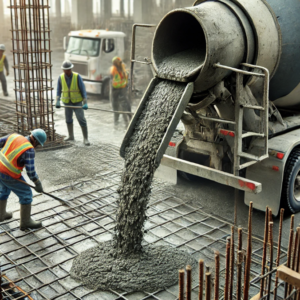
Concrete is the backbone of modern construction, and the companies that place it every day know something simple: reliable supply and consistent quality decide whether a schedule holds or slips. When a contractor chooses to work with a Worldwide Concrete Batch Plant, they are not just buying material. They are securing production capacity, predictable logistics, mix consistency, documentation, and the kind of jobsite support that helps projects finish strong and on time.
From high-rise foundations and industrial slabs to highways, bridges, and critical infrastructure, concrete performance is tied to batching precision and delivery reliability. A Worldwide Concrete Batch Plant relationship gives construction companies access to scalable output, standardized controls, and the operational maturity needed to keep crews moving. In an industry where delays ripple into every trade, the right concrete partner becomes a competitive advantage.
Global capability that stabilizes local jobsites
Construction happens locally, but supply pressures are increasingly global. Cement availability, admixture lead times, aggregate sourcing, transportation capacity, and shifting demand patterns can change quickly across regions. A Worldwide Concrete Batch Plant is built to operate across markets, which typically translates into stronger procurement networks, broader supplier relationships, and more mature contingency planning.
That wider footprint supports more consistent availability, especially when projects spike in volume or when an unexpected constraint hits a region. Contractors benefit because they are less exposed to single-source vulnerabilities and last-minute substitutions that can compromise performance. The construction industry has been tracking material sourcing, domestic supply strategies, and procurement impacts closely, including through outlets like Engineering News-Record, where materials and supply-chain realities remain front and center.
Consistency in mix design that protects structural performance
Concrete is not one product. It is a family of engineered mixes tailored to strength, workability, set time, durability, shrinkage control, and exposure conditions. A Worldwide Concrete Batch Plant typically runs modern batching controls, calibrated scales, moisture monitoring, and standardized production procedures that reduce variability from load to load.
That consistency matters on structural pours where finishing windows are tight and performance requirements are strict. It matters on multi-day placements where uniformity reduces risk of cold joints, surface defects, and callbacks. It matters on large slabs where predictable behavior supports flatter floors and fewer surprises.
For a baseline understanding of what a concrete batching plant is and how it functions, the reference overview at Concrete plant provides helpful technical context without the marketing noise.
Scale and surge capacity that keeps schedules intact
Construction schedules are rarely static. Weather shifts placements. Other trades slip and compress. Inspections move. Owners change phasing. A Worldwide Concrete Batch Plant relationship helps contractors absorb those changes with capacity and coordination.
Higher output plants, additional dispatch resources, and established logistics routines allow contractors to ramp up for major placements, handle multiple pours in a day, and support phased deliveries across large footprints. That flexibility keeps crews productive and reduces idle time, which protects labor budgets and keeps downstream trades moving.
When market demand is volatile, staying informed about broader activity can help contractors plan pours and staffing. Construction forecasting and starts data are tracked by industry outlets such as Dodge Construction Network Construction News, which highlights the real-world ebb and flow that contractors manage every month.
Quality control that reduces risk, rework, and disputes
Concrete failures are expensive, visible, and difficult to fix after the fact. A Worldwide Concrete Batch Plant typically supports tighter QC through routine material testing, documented batching records, and consistent raw material management. Contractors gain confidence because they can trace loads, confirm compliance, and quickly resolve issues before they escalate.
This reduces the risk of strength breaks that miss targets, finishing problems caused by inconsistent slump, and durability challenges in harsh environments. It also supports better project documentation, which matters when owners, engineers, and inspectors require proof of compliance and mix conformance.
Industry reporting frequently emphasizes that quality and performance expectations are rising, especially as projects demand more specialized mixes and sustainability documentation. Staying aligned with evolving standards and market expectations is easier when a batching partner is accustomed to large-scale compliance and accountability.
Logistics and dispatch coordination that protects the pour window 🚚
Concrete is time-sensitive. Once a truck is loaded, every minute matters. A Worldwide Concrete Batch Plant is typically equipped for dispatch coordination, routing efficiency, and real-time adjustments when traffic, site access, or placement conditions change.
That operational discipline protects the pour window and reduces jobsite stress. Better dispatch improves truck spacing, reduces waiting time, lowers the chance of rejected loads, and supports continuous placement, which is crucial for slabs, mats, walls, and decks.
Construction operations and project execution trends, including logistics pressures, are covered broadly in trade news ecosystems like Construction Dive, where schedule reliability and workforce efficiency remain ongoing themes across markets.
Access to innovations that improve durability and sustainability 🌱
Concrete is evolving fast. Contractors are seeing increased demand for reduced-carbon mixes, supplementary cementitious materials, performance additives, and new curing or durability strategies. A Worldwide Concrete Batch Plant is more likely to have tested mix alternatives, established supplier channels for SCMs, and experience meeting owner-driven sustainability specs.
The shift toward lower-carbon materials is not just a niche trend. It is influencing procurement, design decisions, and competitive positioning in building and infrastructure work. Major business and construction news organizations track acquisitions and market moves tied to these materials, including reporting like Reuters coverage on low-carbon cement and supplementary materials, which reflects how seriously the sector is investing in the future of concrete.
Regional compliance and environmental expectations handled with professionalism
Batch plants operate under environmental and community expectations, especially around dust control, runoff management, and site impacts. A Worldwide Concrete Batch Plant is typically more accustomed to meeting regulatory requirements across multiple jurisdictions, which tends to translate into stronger operational controls and fewer compliance surprises.
For contractors, that can mean fewer disruptions and more dependable operations, particularly in markets where permitting and public scrutiny are high. It can also mean better alignment with owner requirements for responsible sourcing, EPD documentation, and jobsite sustainability practices.
Construction industry news outlets routinely cover concrete market pressures, supply constraints, and shifting standards. For example, updates like The Construction Index coverage of concrete-related market and technology developments illustrate how rapidly expectations can change, especially around sustainability and materials performance.
Better collaboration across stakeholders, from engineers to owners
Concrete touches many decision-makers. Engineers care about mix design and compliance. Owners care about schedule certainty and lifecycle performance. Inspectors care about documentation and testing. Finishers care about workability and set behavior. A Worldwide Concrete Batch Plant partner often has the technical staff, communication habits, and documentation systems to coordinate across all of them.
That collaboration shows up in pre-pour planning, mix submittals, trial batches, placement scheduling, and troubleshooting support. It also shows up in calmer jobsites, because crews can focus on execution instead of scrambling to solve supply or quality surprises mid-pour.
A practical advantage in a market that rewards reliability 🧱
Construction companies do not partner with a Worldwide Concrete Batch Plant for a logo or a brochure. They do it because the jobsite rewards reliability. When concrete arrives as promised, matches the approved mix, places well, and is backed by documentation and responsive support, everything downstream improves.
Schedules hold more often. Labor hours are used efficiently. Punch lists shrink. Warranty risk drops. Reputation rises. In a world where projects are larger, faster, and more performance-driven than ever, the right batching partner is not a vendor. It is part of the delivery system.
Conclusion ✅
Working with a Worldwide Concrete Batch Plant helps construction companies build with consistency, scale, and confidence. It strengthens supply stability, improves mix reliability, supports logistics precision, and reduces quality risk through disciplined QC and documentation. It also gives contractors access to evolving materials, sustainability options, and the operational maturity needed to deliver on modern project demands.
In concrete construction, the pour does not wait for excuses. The contractors who partner with dependable, globally capable batching operations give themselves the best chance to keep schedules intact, meet specs without drama, and deliver results that last.