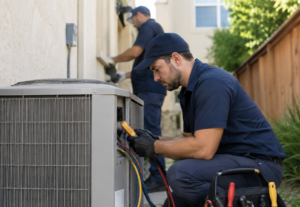
San Jose homeowners already know that construction, remodeling, repairs, and home improvement projects can get expensive quickly. A small issue behind a wall, inside an attic, beneath a crawl space, or around a mechanical system can turn into a major bill when it is ignored too long. That is especially true when it comes to heating and cooling systems. HVAC problems often begin quietly, but once they affect comfort, indoor air quality, energy use, or surrounding construction materials, the cost of waiting can grow fast. 🏗️
Construction professionals see this pattern all the time. A homeowner starts with a simple renovation, room addition, kitchen remodel, garage conversion, or roofing project, only to discover that the HVAC system was already struggling. Weak airflow, uneven temperatures, dirty ducts, worn electrical components, leaking condensate lines, aging insulation, and outdated equipment can all become more serious when construction work exposes hidden problems or changes the way air moves through the home.
San Jose is a city where older homes, modern remodels, new construction, accessory dwelling units, and major development projects all exist side by side. According to the City of San José Development Services Permit Center, building, planning, fire, and public works permits are all part of the local development process. That matters for homeowners because HVAC systems are not separate from the structure of the home. They are connected to safety, code compliance, comfort, energy performance, and long-term property value.
For homeowners planning any construction-related improvement, scheduling the right HVAC repair early can help prevent expensive surprises later.
Why HVAC Repair Matters Before Construction Work Begins
Construction projects can put extra stress on an HVAC system. Dust, debris, temporary airflow restrictions, open walls, removed insulation, and changes to interior layout can all affect heating and cooling performance. Even a smaller project can reveal problems that were already developing inside the system.
For example, a remodel may expose poorly sealed ducts. A room addition may show that the existing system is not sized to handle the added square footage. A roofing job may reveal attic ventilation issues that make the cooling system work harder. A bathroom or kitchen renovation may uncover moisture concerns that affect air quality and mechanical performance.
When construction pros recommend HVAC service before major work begins, they are not just thinking about comfort. They are thinking about the entire building system. A home functions as one connected structure. The framing, insulation, windows, roof, ventilation, electrical system, plumbing, and HVAC equipment all influence one another. Ignoring the HVAC system during construction planning can lead to higher energy bills, failed inspections, uncomfortable rooms, and future repair costs that could have been avoided.
Scheduling HVAC Repair San Jose before a construction project becomes more expensive is a smart way to protect the home, the project budget, and the finished result.
The HVAC Problems Construction Pros Notice First
One of the first things construction professionals notice is uneven temperature throughout a home. If one room is always too hot and another is too cold, the issue may not be solved by simply replacing windows, adding insulation, or remodeling the space. The real problem may be weak airflow, duct leakage, blocked vents, an aging blower motor, or an HVAC system that is no longer performing properly.
Another common warning sign is excessive dust. Construction naturally creates dust, but homes with leaky ducts or poor filtration may already be circulating dust before work begins. Once demolition, sanding, drywall work, or flooring installation starts, the HVAC system can pull particles into the return air and push them throughout the house. This can make indoor air quality worse and may also strain the system.
Strange noises are also important. Rattling, buzzing, grinding, or banging sounds can point to loose parts, motor problems, electrical issues, or duct movement. Construction activity may make these sounds more noticeable, but the underlying problem usually started earlier.
Moisture is another major concern. Condensation around HVAC components, clogged drain lines, or poor humidity control can damage drywall, flooring, trim, insulation, and framing. In a construction setting, moisture problems can quickly become expensive because finished materials may need to be removed and replaced if the issue is not corrected.
San Jose Homes Have Unique HVAC and Construction Challenges
San Jose homeowners deal with a mix of property types. Some homes were built decades ago, while others have been remodeled, expanded, or upgraded several times. The city has also seen ongoing growth, redevelopment, housing demand, and infrastructure changes. The City of San José Major Development Projects page highlights the scale of development activity in the area, and that same growth-minded environment influences how homeowners think about improving and protecting their own properties.
Older homes may have ductwork that was never designed for today’s comfort expectations. Some may have additions that were connected to the original HVAC system without proper balancing. Others may have aging furnaces, air conditioners, thermostats, or ventilation components that still work but no longer work efficiently.
Newer homes and remodeled homes can have different issues. Tighter construction, modern windows, upgraded insulation, and changed layouts can improve efficiency, but they can also affect airflow and ventilation. A system that worked before a remodel may need adjustment after walls are moved, rooms are added, or living spaces are opened up.
This is why HVAC repair should be considered part of responsible construction planning. The system should be checked before expensive finishes are installed, before walls are closed, and before the homeowner assumes the comfort problem will fix itself.
How HVAC Problems Can Increase Construction Costs
The most expensive construction problems are often the ones that require work to be done twice. If a homeowner completes a remodel and then discovers that the HVAC system cannot properly heat or cool the space, the solution may require cutting into new drywall, moving vents, adjusting ducts, replacing insulation, or modifying finished areas.
A small duct repair before construction may be affordable. The same duct repair after new ceilings, walls, paint, and trim are completed can be much more expensive. A clogged condensate drain may be simple to clear early. If it causes water damage behind finished walls or near new flooring, the cost can multiply.
Poor HVAC performance can also affect materials. High humidity can damage wood, flooring, cabinets, and paint. Poor ventilation can contribute to odors and stale indoor air. Overworked equipment can lead to breakdowns at the worst possible time, especially during hot weather.
The City of San José Building Division provides information related to building permits and plan review, which reinforces an important point for homeowners: construction is not only about appearance. It is also about safety, systems, performance, and compliance. HVAC repair supports those same goals.
HVAC Repair Before Additions, ADUs, and Garage Conversions
Room additions, garage conversions, and accessory dwelling units are especially important times to evaluate HVAC performance. Adding livable square footage changes the heating and cooling load of a property. If the existing system is already struggling, the added space can make the problem worse.
A converted garage may need proper heating, cooling, ventilation, insulation, and duct planning. An added bedroom, office, or family room may require better airflow. An ADU may need a separate system or a carefully designed solution depending on the property layout.
San Jose’s continued attention to housing, infill development, and urban growth makes this especially relevant. The Downtown West Mixed-Use Plan shows how large-scale planning in the city connects transportation, housing, development, and community growth. On a smaller scale, homeowners face similar planning decisions inside their own properties. Every improvement should be designed to function well after the work is complete.
HVAC repair before an addition or conversion can help identify whether the system needs a repair, adjustment, cleaning, duct modification, thermostat upgrade, or larger equipment discussion before construction moves forward.
The Role of Airflow During Remodeling
Airflow is one of the most overlooked parts of home comfort. Homeowners often focus on the furnace, air conditioner, or thermostat, but construction pros know that airflow problems can make even good equipment perform poorly.
Blocked vents, undersized ducts, damaged ductwork, closed interior doors, poor return air placement, and air leaks can all reduce comfort. During a remodel, airflow may change because walls are removed, rooms are opened, doors are replaced, or ceilings are modified. If the HVAC system is not inspected during the process, the finished space may look beautiful but feel uncomfortable.
Airflow issues can also affect energy costs. When conditioned air does not move properly, the system runs longer to reach the desired temperature. Longer run times can increase wear on motors, compressors, electrical components, and other parts.
The best time to correct airflow problems is before the project is finished. Once flooring, drywall, cabinets, ceilings, and paint are complete, access becomes more difficult and repair costs often rise.
Why Homeowners Should Pay Attention to San Jose Construction Trends
San Jose construction news can help homeowners understand the bigger picture around permits, housing demand, development pressure, and property improvement. Local reporting from San José Spotlight’s development section regularly covers housing, development, and planning issues in the city and surrounding area. While large projects may seem separate from a single-family home repair, they are part of the same local environment where property values, construction standards, labor demand, and improvement decisions matter.
Homeowners who stay aware of local construction trends are often better prepared to make smart repair decisions. When demand for contractors is high, waiting until an emergency can make scheduling harder. When building materials, labor, or energy costs rise, small repairs can become more expensive. When neighborhoods improve and property values increase, maintaining essential systems like HVAC becomes even more important.
San Jose is also a major city with a long history of growth, technology, housing expansion, and redevelopment. The San Jose, California Wikipedia page provides broad background on the city, its size, economy, and regional importance. That context matters because homeowners are not just maintaining a house. They are protecting an asset in one of California’s most important real estate markets.
HVAC Repair Helps Protect Indoor Air Quality
Construction dust is not the only air quality concern inside a home. A neglected HVAC system may circulate dust, pollen, debris, odors, and other particles. Dirty filters, clogged coils, leaking ducts, and poor ventilation can all reduce indoor air quality.
Before construction begins, homeowners should make sure the system is working properly and that filters are changed. During construction, returns and vents may need protection from dust and debris. After construction, the system may need another inspection or cleaning to make sure particles have not affected performance.
Indoor air quality is especially important in homes with children, older adults, pets, allergy concerns, or anyone sensitive to dust and airborne particles. A clean, properly functioning HVAC system supports a healthier and more comfortable home during and after the construction process.
Energy Efficiency Starts With Repair, Not Replacement
Many homeowners assume that a struggling HVAC system automatically needs replacement. Sometimes replacement is the right choice, especially if the system is old, inefficient, or frequently breaking down. However, in many cases, targeted repairs can improve performance and delay the need for a full replacement.
A worn capacitor, faulty thermostat, dirty coil, clogged drain, weak blower component, refrigerant issue, loose electrical connection, or duct problem may cause performance issues that can be corrected without replacing the entire system. The key is finding the issue early.
Construction pros often recommend addressing repairs before bigger work begins because it gives homeowners more control. Emergency replacement during a remodel can disrupt the schedule and increase stress. Planned repair gives the homeowner time to make informed decisions.
Energy efficiency is also tied to construction quality. Insulation, windows, air sealing, ventilation, and HVAC performance all work together. A repair that helps the system run efficiently can make the rest of the home improvement project more successful.
The Best Time to Schedule HVAC Repair
The best time to schedule HVAC repair is before the system fails, before construction begins, and before expensive finishes are installed. Homeowners planning a remodel, addition, roof replacement, insulation upgrade, kitchen renovation, bathroom remodel, garage conversion, or ADU project should have the HVAC system inspected early in the planning process.
This does not mean every home needs major work. It means the homeowner should know the condition of the system before the project budget is fully committed. Early information helps prevent surprises.
A professional HVAC inspection can help identify worn parts, airflow concerns, duct issues, thermostat problems, drainage concerns, and signs of inefficient operation. Once those issues are known, repairs can be scheduled in the right order, with less disruption to the construction timeline.
Conclusion
Construction pros reveal the same lesson again and again: small HVAC problems are easier and less expensive to fix before they become major construction problems. San Jose homeowners who plan ahead can protect their comfort, budget, indoor air quality, energy efficiency, and property value by addressing HVAC repair before remodeling, additions, conversions, or other home improvement projects move too far forward.
A home is more than walls, paint, flooring, and fixtures. It is a connected system, and the HVAC system plays a major role in how that home feels and performs every day. When airflow, heating, cooling, ventilation, and moisture control are ignored, even a beautiful construction project can leave homeowners frustrated.
The smartest approach is simple. Schedule HVAC repair early, fix hidden problems before finished materials are installed, and make sure the heating and cooling system is ready to support the home after the construction work is complete. For San Jose homeowners, that kind of planning can prevent expensive surprises and help every improvement deliver better long-term results.